Outdated Price Lists. One Meeting. $70,000 Found.
An HVAC (Heating, Ventilation, and Air Conditioning) contractor in the Tampa Bay area brought in $125,000 more in sales than the same period a year earlier. Profit did not move.
Departmentalized statements split the books by service line. Gross margin on installation (change-out) work had dropped about 5.5 points, and equipment cost was the cause: most of the company's equipment price lists had not been updated through a year of distributor price increases.
The company was selling at last year's prices with this year's costs. A blended, company-wide profit and loss statement could not show it.
One review meeting. One number on the table. The owner updated the price book. The fix: update the price book every time a distributor changes pricing.

Representative image — construction financial discovery session
$47,000 in Uncollected Retainage Found in the First Review
A general contractor had three active commercial projects with retainage held by the owner. None was tracked systematically. By the first session, two projects had retainage aging past 90 days with no collection process initiated. Will implemented a tracking schedule and collection process. All retainage was collected within 45 days.

Two Projects. Same Scope. Very Different Margins. One Explanation.
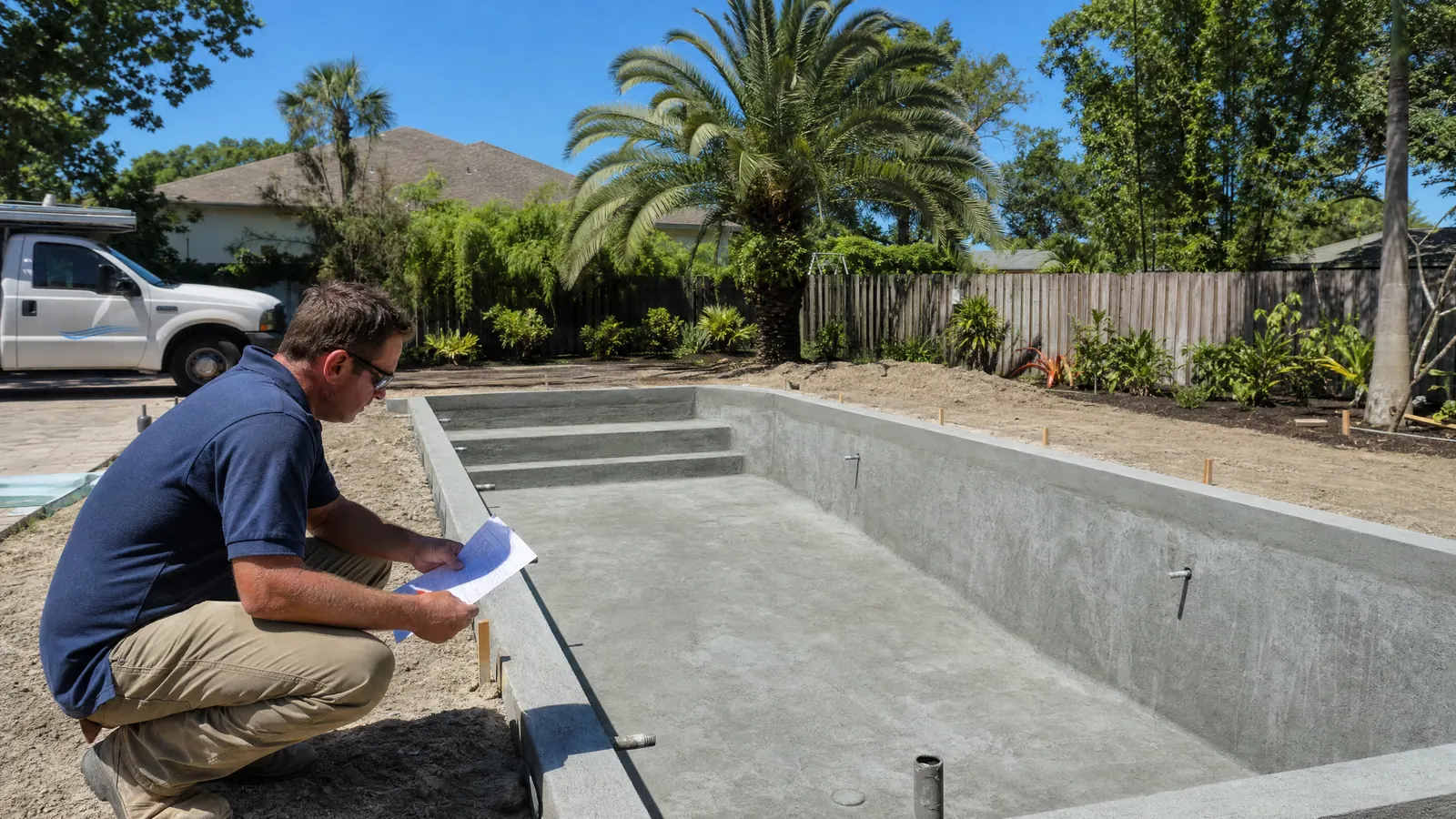
A pool contractor could not explain why two nearly identical projects produced different profit results. Job-level cost analysis revealed a material markup inconsistency on certain project types — a markup developed three years prior that had never been updated as pool equipment costs increased. Corrected going forward.
Could Your Business Have a Similar Story?
The profit leaks in these stories were not the result of bad management. They were the result of not having someone looking at the right numbers at the right time. Request a free Bottom Line Blueprint Session and find out what yours are.
Request a Session →